Open 24 hours, every day of the year
Occupational health and safety is the work of preventing injury and illness at work, so that people go home as healthy as they arrived.
In this guide
The idea
Occupational health and safety covers two linked goals: keeping people safe from accidents at work, and protecting their health from harm the work might cause over time.
Safety deals with sudden events, such as a fall from a ladder or a hand caught in a machine. Health deals with slower harm, such as hearing loss from years of noise, or lung disease from dust.
Good practice treats both together, because the same planning, training and checks prevent each of them.
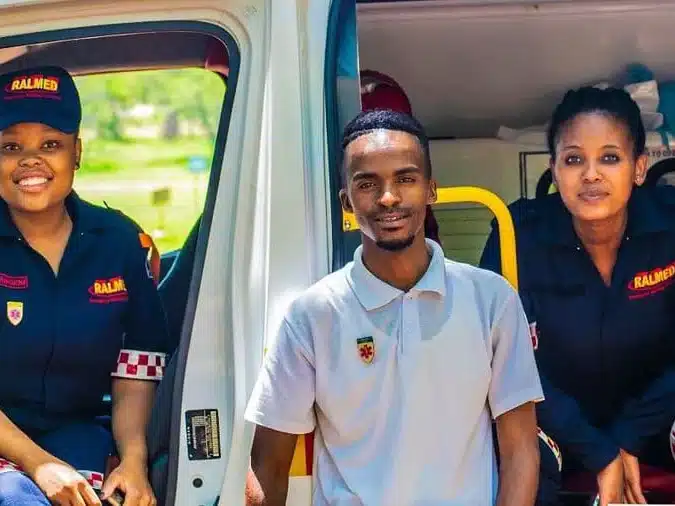
Hazards
In occupational health and safety, a hazard is anything with the potential to cause harm. Most fall into five broad groups.
| Type of hazard | Examples |
|---|---|
| Physical | Noise, heat, moving machinery, working at height, electricity |
| Chemical | Solvents, cleaning agents, fumes and dust |
| Biological | Bacteria, viruses and contact with blood or body fluids |
| Ergonomic | Heavy lifting, repetitive movements and poor workstation set-up |
| Psychosocial | Long hours, shift work, violence and work-related stress |
Controls
Safety professionals use a hierarchy of controls. The options at the top are the most effective, because they depend least on people remembering what to do.
01
Remove the hazard, or replace it with something less harmful.
02
Guards, ventilation and barriers that separate people from the hazard.
03
Safe procedures, training, signs and job rotation.
04
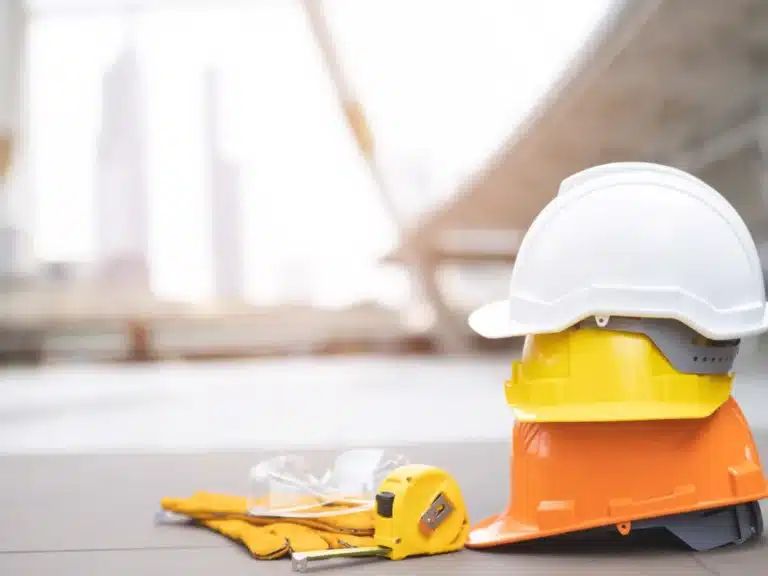
Gloves, hearing protection, masks and hard hats, as the last line of defence.
Roles
Responsibility for occupational health and safety is shared, but it starts at the top.
Our guide to the Occupational Health and Safety Act explains these duties section by section.
Want on-site medical care or accredited training? Call Ralmed on 086 1725 633.
The law
Three Acts do most of the work in occupational health and safety. Which ones apply depends on the kind of workplace.
| Law | What it covers |
|---|---|
| Occupational Health and Safety Act 85 of 1993 | Health and safety at most workplaces, with detailed regulations |
| Mine Health and Safety Act 29 of 1996 | Health and safety at mines, which the OHS Act excludes |
| Compensation for Occupational Injuries and Diseases Act | Compensation for employees injured or made ill by their work |
The Department of Employment and Labour publishes the OHS Act and its regulations, including the first aid rules in General Safety Regulation 3.
Health at work
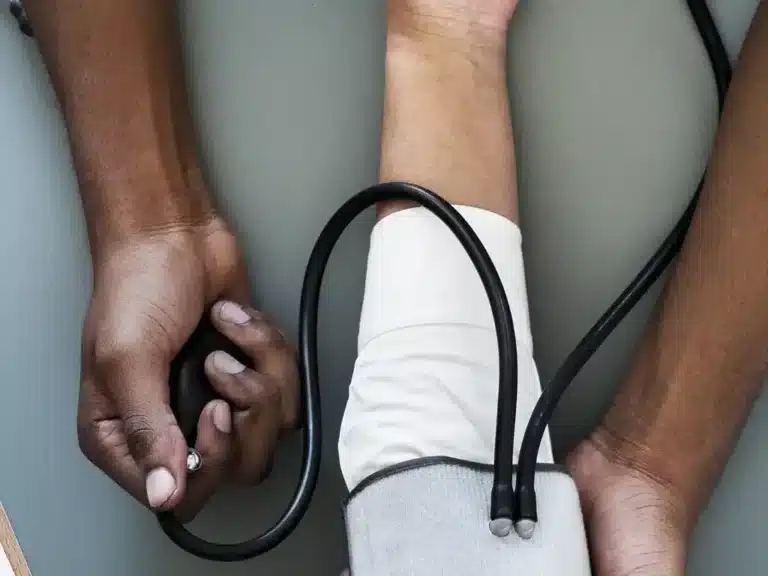
The health side of occupational health and safety is often handled by an occupational health service, on site or nearby.
That can include health assessments linked to the risks of the job, treatment of injuries at work, emergency response and wellness programmes. Ralmed runs on-site occupational health clinics at workplaces, and can station a crew and ambulance through a remote ambulance station.
Getting started
01
Set out who is responsible for what, signed by the CEO.
02
Walk the workplace, list the hazards and decide how to control each one.
03
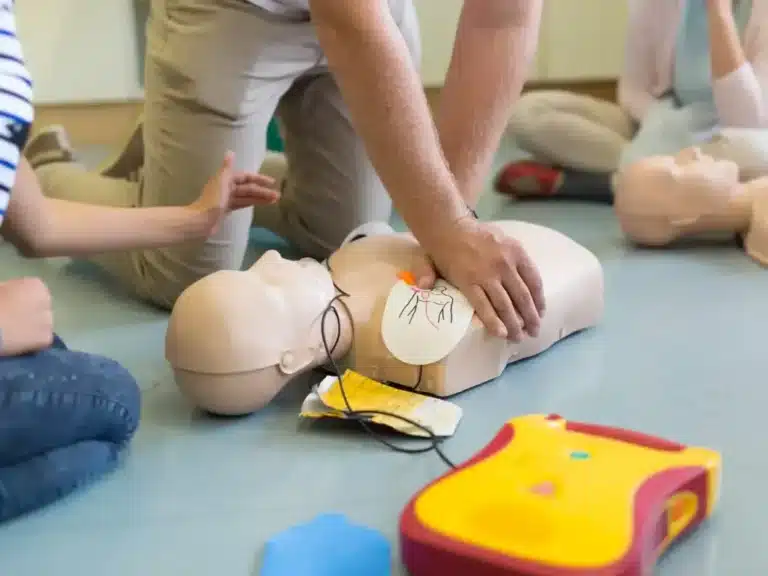
Induction, safe work procedures and certified first aiders.
04
Record, report and investigate incidents, then review the controls.
Questions
Occupational health and safety is the work of preventing injury and illness at work, and Ralmed supports employers with it on 086 1725 633. It covers both sudden accidents and slower harm to health, such as noise or dust exposure. In South Africa it is governed mainly by the Occupational Health and Safety Act 85 of 1993.
Safety is about preventing accidents, such as falls or machinery injuries. Health is about preventing illness caused by work over time, such as hearing loss or lung disease. A good system manages both, because many of the same controls protect against each.
Rarely on its own. Protective equipment is the last line of defence in the hierarchy of controls. Removing a hazard, or separating people from it with guards and ventilation, protects everyone without relying on each person wearing the right gear every time.
Yes, scaled to their size and risks. Even a small office needs to identify its hazards, keep a first aid box once it has more than five employees, and make sure staff know what to do in an emergency. Simple written procedures and a named person in charge go a long way.
We run accredited First Aid and Occupational Health and Safety training anywhere in South Africa, and provide on-site clinics, remote ambulance stations and event cover at client sites. Contact us with your workplace details, head count and main risks, and we will suggest the cover and training that fit your operation.
A risk assessment is a structured look at the hazards in your workplace, who could be harmed and how, and what controls are needed. Record the findings, act on them and review them when work changes or after an incident. It is the starting point for every other part of a safety system.
Common hazards include slips, trips and falls, moving machinery, vehicles, manual handling, noise, dust and chemicals, electricity, and work at height. Psychological strain and fatigue also affect health. Which ones matter most depends on your work, which is why each workplace needs its own risk assessment rather than a generic list.
Yes. Employees must take reasonable care of their own health and safety and that of others, cooperate with their employer, follow safety rules, use the protective equipment provided and report unsafe conditions or incidents. The employer still carries the main duty to provide a safe workplace, but safety works when everyone plays their part.
Review it at least once a year, and sooner when you change processes, equipment or premises, take on new types of work, or after an incident or near miss. Check that risk assessments, training records, first aid boxes and emergency plans still match the way the workplace actually runs.
Related
Read about the Regulation 3 first aid kit, see our accredited training, or browse all our OHS and first aid resources.
Ralmed trains your people and provides medical care where they work. Call us to talk through your site and its risks. For practical help with occupational health and safety, call 086 1725 633.
